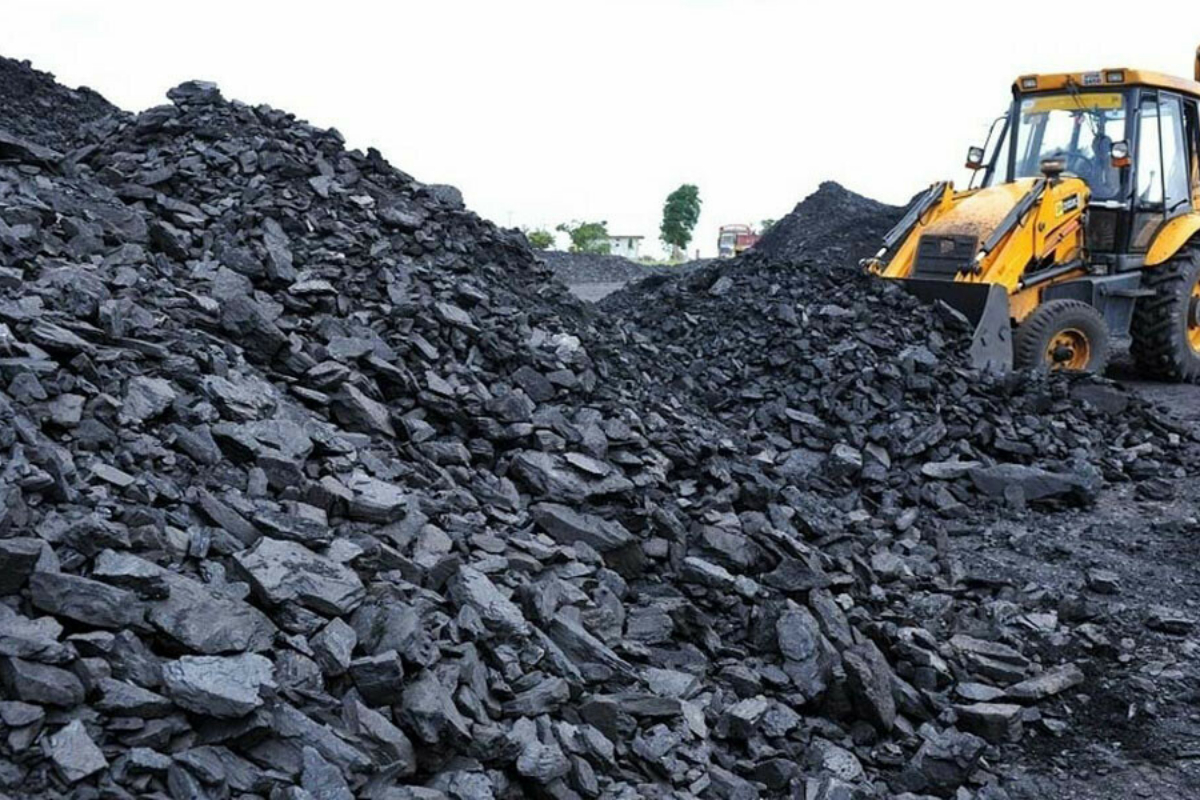
ISLAMABAD: The Federal Board of Revenue (FBR) has issued a general order outlining strict conditions for the application of a 1% minimum value addition sales tax on imported coal, limiting the concession to coal destined exclusively for NEPRA-licensed coal-fired independent power producers.
The Sales Tax General Order No. 9 of 2026, issued Tuesday, establishes the procedure and conditions for importers seeking the reduced tax rate specified in clause (6) of the Twelfth Schedule to the Sales Tax Act, 1990.
The order defines a Coal-Fired Independent Power Producer as an IPP generating electricity from coal under a generation license issued by the National Electric Power Regulatory Authority (NEPRA).
To qualify for the 1% minimum value addition tax, importers must satisfy five conditions:
First, the importer must be registered under the Sales Tax Act, 1990.
Second, the imported coal must be exclusively for direct supply to a NEPRA-licensed coal-fired IPP.
Third, at the time of import, the importer must furnish to the Collector of Customs a purchase order, supply agreement, contract, or other documentary evidence establishing that the coal is intended solely for direct supply to such IPP.
Fourth, the importer must maintain complete documentary evidence relating to the import and subsequent direct supply and produce it on demand before the Commissioner Inland Revenue or the Collector of Customs.
Fifth, the importer must comply with verification or audit requirements prescribed under the Sales Tax Act, 1990 and its rules.
The FBR has warned that importers will be liable to pay the differential tax amount, default surcharge, and penalties if it is established that the coal was supplied to someone other than a coal-fired IPP, not supplied directly, or any condition was violated. Customs officials may allow assessment based on provided documents, but post-clearance audits will verify compliance.
The tax reduction from the standard 3% to 1% is part of a broader government effort to reduce generation costs for coal-fired power plants and ease financial pressures on the industrial sector. The cement and power generation sectors are expected to be primary beneficiaries.