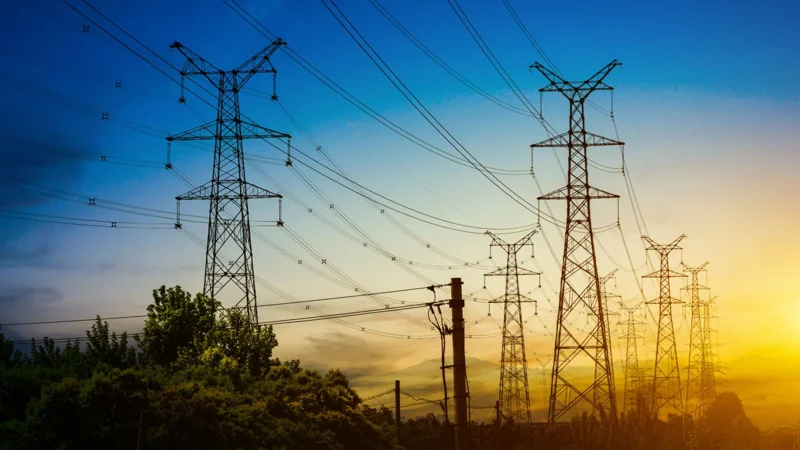
KARACHI: Business leaders in Pakistan's largest city are raising alarm over what they describe as an unstable electricity pricing system that is undermining industrial investment, after a regulatory tariff cut announced last year turned out to include a retroactive charge that offset much of the promised relief.
The dispute centers on a decision by Pakistan's power regulator, the National Electric Power Regulatory Authority (NEPRA), which cut Karachi's electricity tariff by Rs7.6 per unit in October 2025.
According to industry representatives, the same decision reopened and revised upward two years of previously settled fuel cost adjustment calculations, clawing back roughly Rs28 billion that had already been credited to consumers.
The Korangi Association of Trade and Industry, one of Pakistan's largest industrial trade bodies, says the reversal amounts to an additional Rs2.5 to Rs3.5 per unit in charges over a year, imposed outside the standard tariff mechanism. Industrial users have challenged the move in the Sindh High Court, which has issued a stay suspending collection of the disputed amount while litigation continues.
The association argues the episode has damaged investor confidence in K-Electric, the city's sole private power utility. Following the regulatory reversal, K-Electric's share price declined, and Shanghai Electric Power ended a long-pursued $1.77 billion bid to acquire the utility, citing regulatory unpredictability, according to the group. It also cited financial projections showing K-Electric's profit could turn into losses of Rs70 billion to Rs80 billion, with analysts anticipating broader annual losses approaching Rs100 billion.
Separately, the association says Karachi's industries are still owed Rs33 billion in COVID-era relief subsidies that were pledged but never disbursed.
Karachi accounts for a significant share of Pakistan's tax revenue and export trade, including through its port and textile sector, giving the tariff dispute broader implications for the national economy, according to industry officials.
The matter remains before the Sindh High Court.