Extreme heat is becoming a growing threat to pregnant women and newborns worldwide, as rising temperatures and prolonged heat waves increase health risks, disrupt access to medical care and place vulnerable families under greater pressure.
Climate change is contributing to more frequent and intense heat events, raising concerns among public health experts and medical professionals about their effects on maternal and infant health. Pregnant women and newborns are particularly vulnerable because their bodies face unique challenges in coping with extreme temperatures.
Pregnancy causes several physical changes that make it harder for women to control their body temperature. Increased blood volume and heart rate put extra pressure on the cardiovascular system as the body works to maintain blood circulation for both the mother and the developing baby. These changes can make it more difficult to stay cool during periods of extreme heat.
Dehydration is another major concern during pregnancy. High temperatures can increase fluid loss, potentially reducing blood flow to the placenta and affecting the supply of oxygen and nutrients to the developing baby. Heat stress and dehydration may also contribute to uterine contractions and increase the risk of pregnancy complications.
Research has linked exposure to extreme heat with several adverse pregnancy outcomes, including premature birth and low birth weight. Heat-related stress may increase the likelihood of early labor, while prolonged exposure to high temperatures has been associated with restricted fetal growth.
Some studies have also found links between extreme heat and pregnancy-related high blood pressure disorders, including preeclampsia. Researchers have further identified associations between high temperatures and an increased risk of miscarriage and stillbirth. Other research suggests that extreme heat may be linked to certain birth defects, although more evidence is needed to understand these connections.
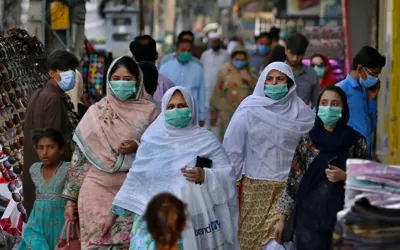
The dangers are especially serious in low- and middle-income countries, where many pregnant women have limited access to electricity, air conditioning and other cooling facilities. Women working in agriculture, construction and other outdoor or physically demanding jobs may face prolonged exposure to dangerous temperatures, even during pregnancy.
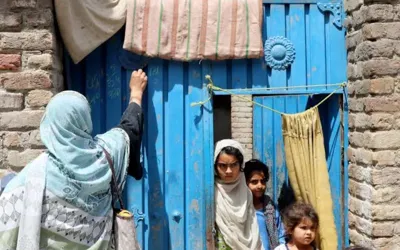
Extreme weather can also make it harder for pregnant women to receive medical attention. Heat waves and other climate-related disruptions can affect transportation, damage healthcare infrastructure and limit access to routine prenatal appointments and emergency services. These challenges add pressure to healthcare systems that may already have limited resources.
Public health experts are calling for stronger measures to protect pregnant women and newborns from rising temperatures. The World Health Organization (WHO) and international research groups have highlighted the importance of improving healthcare preparedness and ensuring medical professionals can recognize and manage heat-related complications during pregnancy.
Governments are also being encouraged to include pregnant women in heat-health warning systems, expand access to cooling centers and improve maternal healthcare facilities so they can continue operating during extreme weather events. Better public awareness and guidance on preventing heat-related illness could also help reduce risks.
The growing scale of extreme heat events has added urgency to these concerns. Figures cited in the research indicate that around 50 heat storms occurred during the 1960s, compared with more than 665 so far in the current decade. One reported heat event covered nearly 85% of the planet and lasted for about a year, highlighting the widespread reach of extreme temperature events.
Although researchers are still studying the full effects of extreme heat on pregnancy and newborn health, existing evidence points to a growing public health concern. As temperatures continue to rise, protecting pregnant women and babies will require stronger healthcare systems, better early-warning programs and greater access to safe cooling facilities.