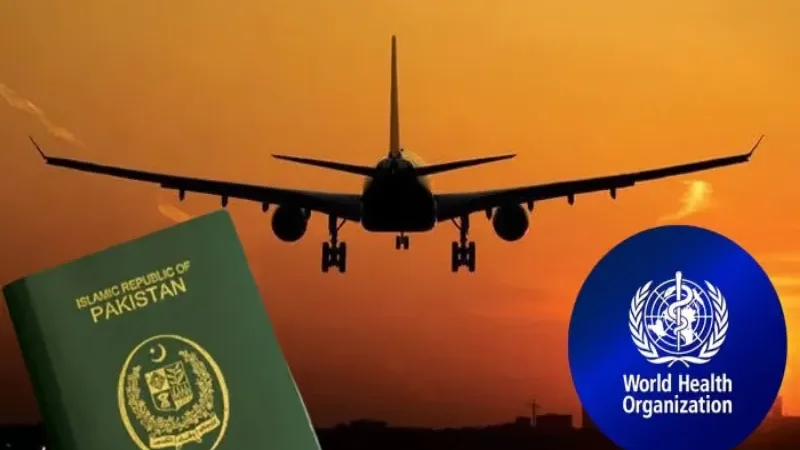
ISLAMABAD: The World Health Organization (WHO) has extended international travel restrictions on Pakistan for another three months as poliovirus continues to spread in parts of the country, posing an ongoing public health risk.
The WHO said Pakistan and Afghanistan remain key sources of poliovirus transmission because continued cross-border movement allows the virus to spread between the two countries. The organization said the virus is moving from Afghanistan into southern Khyber Pakhtunkhwa and the Quetta block, while transmission is also continuing in southern KP and Karachi.
The WHO identified Karachi as a major center of poliovirus transmission, raising concerns about the continued risk to children in the city. The organization has called for targeted vaccination campaigns in the Central Pakistan block, southern KP and the Quetta block to stop further transmission and strengthen efforts to eradicate polio.
The WHO also warned that children missing vaccination campaigns remain a major challenge. Vaccine refusal and difficulties reaching children in high-risk areas have made it harder to contain the virus.
Security problems in Khyber Pakhtunkhwa have further complicated vaccination efforts. According to the WHO communiqué, about 250,000 children have been unable to receive polio vaccines because of security challenges in the province.
The WHO's decision to extend the restrictions highlights continued international concern over Pakistan's polio situation and the need for stronger vaccination efforts in areas where the virus remains active.