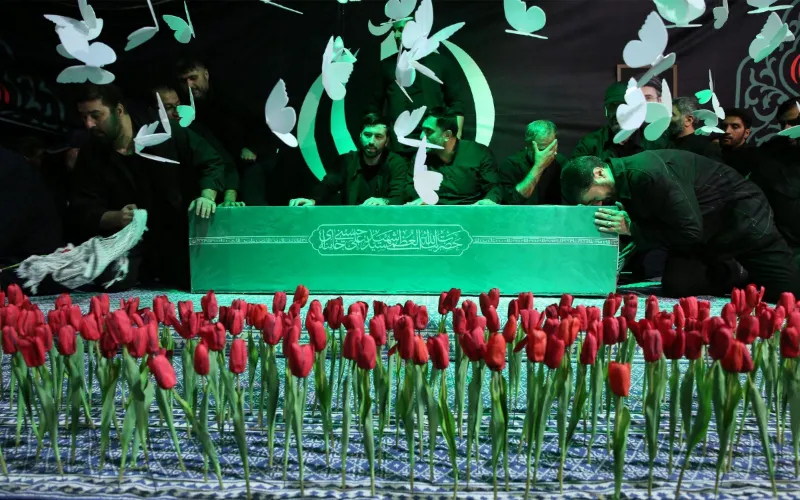
TEHRAN: Iranian clerics and state authorities are preparing large-scale national funeral ceremonies after the Supreme Leader Ayatollah Ali Khamenei was killed in joint U.S. and Israeli strikes.
Officials are portraying the upcoming events as a powerful demonstration of national unity and continued support for the Islamic Republic, with some describing the expected turnout as a symbolic “referendum” on the legitimacy of the system.
Nationwide funeral processions planned
The mourning ceremonies are scheduled to begin in Tehran over the weekend. From there the processions will extend across several major cities, including Qom and Mashhad, which hold deep religious significance in Iran.
Authorities are also planning parallel commemorations in Iraq’s holy cities of Najaf and Karbala, highlighting Iran’s regional religious and political influence.
To ensure massive participation, the government is reportedly arranging transport, accommodation, and food support for mourners expected to travel from across the country.
State messaging and political framing
Senior clerics, including Ayatollah Mohammad Saidi of Qom, have stated that mass public attendance would demonstrate loyalty to the Islamic Republic and its revolutionary ideology.
The leadership is framing the events within the Shiite concept of martyrdom, linking Khamenei’s reported death to deeply rooted religious traditions of mourning and sacrifice.
Public spaces in several cities have been decorated with black flags and revolutionary imagery as part of the mourning campaign.
Read More: Pakistani delegation arrives in Tehran for Khamenei funeral
Succession developments
Reports also suggest that Mojtaba Khamenei, the Supreme Leader’s son, is being positioned for a potential leadership role following his father’s death.
He was reportedly injured in the same strike, although his condition remains unverified, and he has not appeared publicly since the conflict began.
If confirmed, this would mark a significant and historic leadership transition within the Islamic Republic.
Public reaction and internal atmosphere
While officials emphasize unity, analysts and residents describe a more divided public mood inside Iran. Many citizens are reportedly fatigued by years of economic hardship, international sanctions, and political repression.
Some reports indicate that early news of Khamenei’s alleged killing was met with mixed reactions, including isolated celebrations, while most residents remained cautious amid heightened security presence.
Extensive state mobilization
Authorities have launched a large logistical operation to manage the funerals. This includes discounted hotel stays, use of schools and mosques for accommodation, and adjustments to transport systems to handle large crowds.
Security has been significantly tightened, with restrictions and monitoring expected in major cities throughout the mourning period.
Funeral procession timeline
The planned schedule includes:
- Tehran: Initial ceremonies at a central mosque
- Monday: Major national procession in the capital
- Tuesday: Ceremonies in Qom
- Wednesday: Commemorations in Najaf and Karbala (Iraq)
- Thursday: Final burial in Mashhad near the shrine of Imam Reza
Regional and international dimension
Officials say foreign representatives from allied countries, including Russia and China, are expected to attend condolence events.
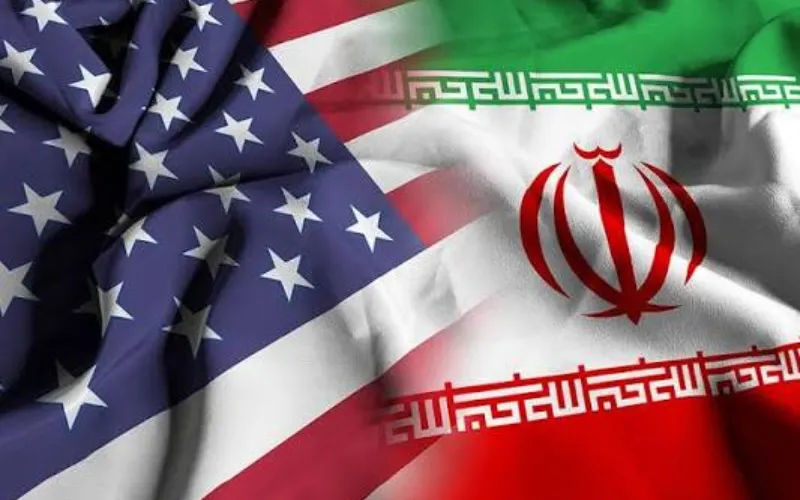
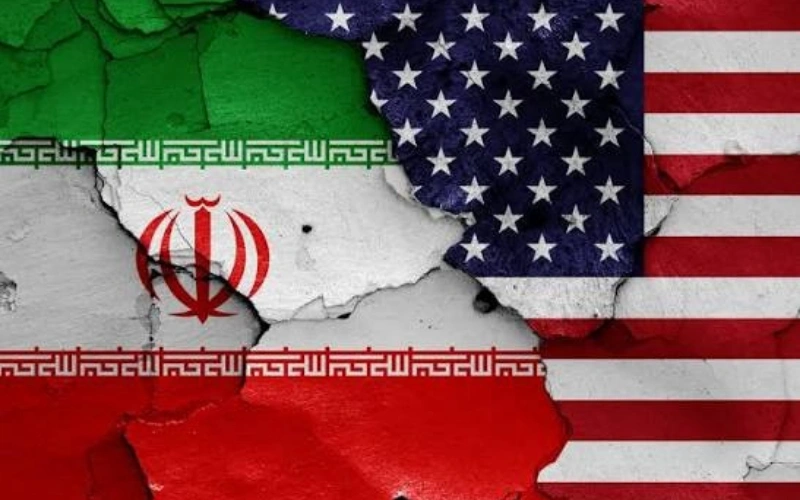
The ceremonies are also being positioned as a message of strength to Iran’s regional rivals, particularly the United States and Israel, amid ongoing tensions.
While Iranian authorities project an image of unity and resilience, the situation reflects deep political sensitivity and underlying public tension. The upcoming ceremonies are expected to serve both as a religious mourning event and a powerful political demonstration of state strength.