KARACHI: Judicial Magistrate Karachi East has rejected the bail application of television host and political party chief Iqrar-ul-Hassan, who is being held in jail on judicial remand in a case over social media posts that investigators describe as against the state.
The Judicial Magistrate East turned down the request, leaving Iqrar-ul-Hassan, head of the Awam Raj Tehreek party, in custody. The National Cyber Crime Investigation Agency, or NCCIA, registered the case against him.
The court sent him to jail on judicial remand on Oct. 19 and declined the NCCIA’s request for further physical remand, while ordering the agency to submit the case challan within 14 days. His defense lawyer had filed the bail petition by that point.
The NCCIA registered the case as No. 101/2026 under the Prevention of Electronic Crimes Act, known as PECA. Investigators had sought 14 days of physical remand, but the court approved four. Local media described the allegations as undermining the state and national integrity.
His arrest drew questions about his whereabouts. His wife, Farah Iqrar, alleged that people entered the family home around 3 a.m. and took him away, and said some appeared to carry NCCIA identification. Media reports said NCCIA officials initially told a magistrate he was not in the agency’s custody, and his lawyer prepared to seek his recovery through a habeas corpus petition in the Lahore High Court. He was later reported to have been arrested in Lahore and brought to Karachi. Appearing before the magistrate, he said he had not been beaten.
Iqrar-ul-Hassan gained prominence as a television presenter and investigative journalist through the program “Sar-e-Aam.”
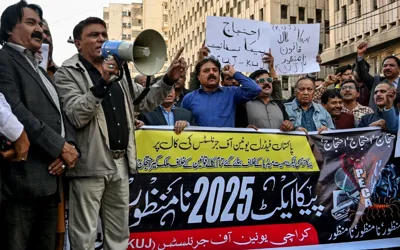
Parliament passed amendments to PECA in January 2025, and the law created the NCCIA. The agency replaced the Federal Investigation Agency’s cybercrime wing, and its officers have police-like powers to conduct raids, seize devices and investigate cybercrimes. Under the amendments, police stations may not register cybercrime complaints, which are forwarded to the NCCIA.
The government has defended the amendments as necessary to combat disinformation and protect national security. Supporters say they are needed for digital safety.
The NCCIA has faced similar court proceedings in other cases. In July, an Islamabad court rejected the post-arrest bail application of YouTuber Razi Tahir in an NCCIA case over social media posts.