Indonesia reopened five airports on Tuesday after Anak Krakatau’s eruption grounded flights for two days, leaving nearly 3,000 flights disrupted and more than 340,000 passengers stranded.
Jakarta’s Soekarno-Hatta International Airport, Halim Perdanakusuma Airport, and three regional airports resumed operations after authorities determined that volcanic ash had cleared enough to make flying safe. Officials said airlines would gradually restore schedules as aircraft grounded during the disruption undergo safety inspections.
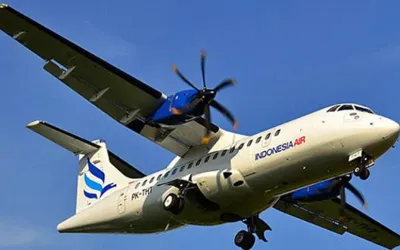
Transportation Minister Dudy Purwagandhi urged passengers to remain patient as airlines worked to clear the backlog. Authorities said 178 aircraft had been grounded at Soekarno-Hatta during the closures and would need to be inspected before returning to service.
“We ask for a little patience from passengers and the public, as we will be carrying out inspections to ensure that these aircraft are fit to fly,” Dudy said.
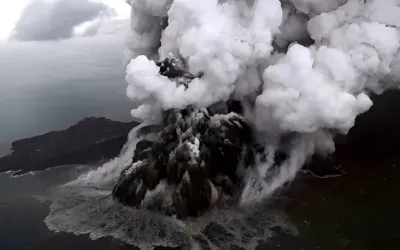
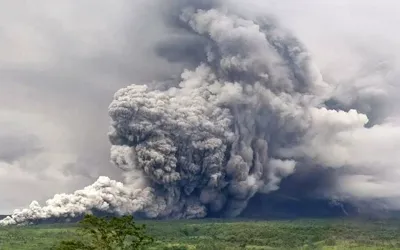
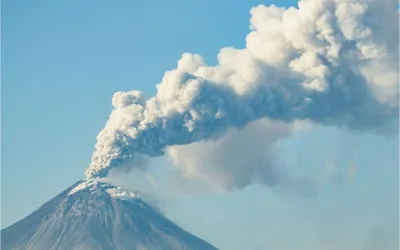
The disruption began after Anak Krakatau erupted late Friday, sending volcanic ash across parts of Java and Sumatra. Eight airports were temporarily closed because the ash posed a risk to aircraft and aviation infrastructure.
The closures left passengers dealing with canceled flights, repeated schedule changes, and crowded airport terminals.
At Soekarno-Hatta on Monday, long lines formed as stranded travelers sought refunds and updates. Finna, a 46-year-old passenger traveling from Malang to Jakarta, said passengers were left watching flight information screens as schedules changed repeatedly.
“It was very crowded because passengers from the morning flights had piled up, while those scheduled for later departures still didn’t know what would happen,” she told BBC Indonesian.
Finna eventually abandoned her flight and spent the night traveling by two intercity trains before reaching Jakarta at 3 a.m. Monday.
Other travelers also searched for alternative ways home. Jo Shaw, who was visiting Indonesia with members of conservation charity Save the Rhino International, said her group canceled their plans to camp at Java’s Ujung Kulon National Park after authorities raised the alert level for Anak Krakatau.
A newlywed Malaysian couple who had spent a week in Bali faced an even longer wait after being told their next flight to Kuala Lumpur would not depart until Sept. 11.
“What are we going to do here for another five days?” 29-year-old Amir Hamzah told Malaysia’s national news agency Bernama.
“We never thought we would end up being stuck here for days,” he said.
The reopening of airports has not ended the threat. Anak Krakatau erupted three times Tuesday, although the eruptions were smaller than earlier activity. Scientists said further disruption would depend on the height of future ash plumes and wind direction.
“So far, the impact is not as big as the previous eruptions, but we’ll continue to monitor,” Lana Saria, head of Indonesia’s Geological Agency, told Reuters.
The volcano sits in the Sunda Strait between Java and Sumatra and has remained at Indonesia’s second-highest alert level since July. Authorities have advised people to stay at least 3 kilometers from the crater and remain alert for volcanic hazards.
The latest eruption also affected daily life beyond airports. Schools in ash-affected areas were allowed to switch temporarily to online classes, while residents in affected regions were advised to limit exposure to volcanic ash.
The disruption has also placed financial pressure on airlines, which lost revenue from canceled flights while facing additional costs for fuel, aircraft parking and crew.
Bayu Sutanto, secretary-general of the Indonesia National Air Carriers Association, estimated that airlines could lose up to 19 billion rupiah, or about $1 million, a day during a prolonged disruption.
He said the delay of one aircraft at Soekarno-Hatta could affect the next three or four flights scheduled to use the same plane, extending the disruption across the wider network.
Anak Krakatau, meaning “Child of Krakatoa,” emerged from the caldera left by the catastrophic 1883 eruption of Krakatoa, which killed more than 36,000 people in a series of tsunamis.
In December 2018, a collapse of Anak Krakatau triggered another tsunami that killed more than 400 people along the coasts of Java and Sumatra.
Indonesia has more than 120 active volcanoes and lies along the Pacific Ring of Fire, a seismically active zone where earthquakes and volcanic eruptions are common.
For now, authorities are focused on restoring disrupted flight schedules while closely monitoring Anak Krakatau. Although airports have reopened, further eruptions or shifting ash clouds could still disrupt air travel.