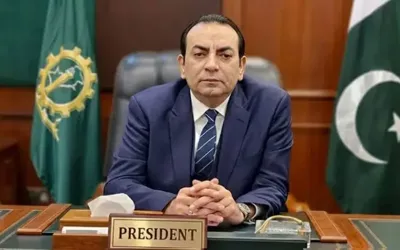
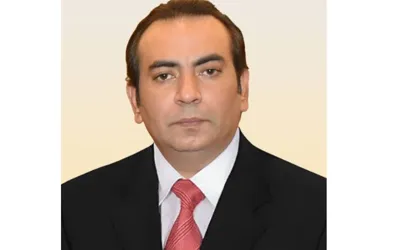
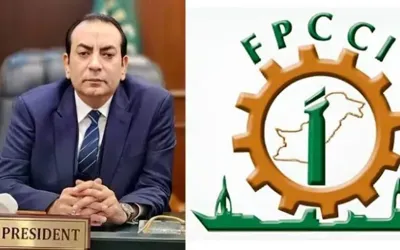
KARACHI: The president of the Federation of Pakistan Chambers of Commerce and Industry said Monday that volatile global oil markets are threatening the country’s macroeconomic stability, warning that rising fuel costs are crippling export competitiveness and widening the trade deficit.
Atif Ikram Sheikh said the rising prices of high-speed diesel and furnace oil have increased inland logistics, supply chain and electricity generation costs, making Pakistan’s export sectors less competitive than regional rivals.
Sheikh called for an urgent safety net for exporters, saying that passing the full cost of global oil increases to industry would be unsustainable. He noted that higher freight and transportation costs are eroding the narrow profit margins exporters rely on to secure international orders.
To hedge against the external shocks, the FPCCI proposed a multipronged strategy. The trade body demanded an immediate suspension of the Petroleum Development Levy for export-oriented manufacturing, saying the move would provide a critical financial buffer and protect foreign exchange earnings.
Sheikh also called for accelerating Pakistan’s transition to renewable energy and for rationalizing overall energy tariffs. He said bringing electricity and gas tariffs in line with competitors such as Bangladesh, Vietnam and India is crucial, as those nations have used strategic mechanisms to shield their industrial bases from economic shocks.
To ease the ongoing liquidity crisis, Sheikh urged the central bank to aggressively reduce its policy rate to provide affordable working capital for industrial production.
He highlighted that small and medium-sized enterprises, which form the backbone of the export supply chain, lack the financial resources of larger corporations and will be hardest hit. Sheikh said SMEs are facing an immediate liquidity crisis as operational costs rise sharply, warning that without intervention, factory closures, shift reductions and mass unemployment will follow.