An AI-generated singer’s claim that she is pregnant and taking maternity leave has gone viral in China, sparking widespread confusion, online jokes and fresh debate about the growing influence of virtual entertainers.
Mity, a virtual performer in BABYQUEEN, an AI-generated girl group inspired by South Korean K-pop bands, shared the announcement on RedNote, a popular Chinese social media platform.
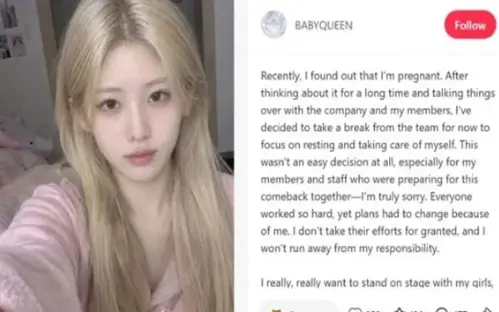
She said she was expecting a baby and would temporarily step away from group activities to focus on rest and recovery.
The announcement quickly caught the internet's attention, reportedly attracting more than 78 million views on China's Weibo platform.
As AI-generated personalities continue to gain popularity, the unusual claim left users debating how far virtual celebrities can go in imitating the lives of real entertainers.
The unexpected news triggered a wave of reactions, with users questioning how a computer-generated character could become pregnant in the first place.
Some social media users jokingly asked who the baby's father was, while others wondered whether an AI singer could qualify for maternity benefits.
The bizarre announcement fueled online speculation and added another unusual example of how digital personalities are increasingly blurring the lines between fiction and reality.
However, the story took another surprising turn when BABYQUEEN's creators revealed that Mity's pregnancy was entirely fictional.
According to Chinese news outlet Sixth Tone, the creators explained that managing multiple AI-generated personalities had become exhausting.
The pregnancy storyline was reportedly invented as a way to temporarily remove one member from the group's activities.

The creators, who described themselves as students with a passion for K-pop, also said they had not made any money from the project.
While the announcement generated widespread attention, it also drew criticism from users who accused the creators of trivializing pregnancy and childbirth to attract online engagement.
The controversy has reignited questions about the responsibilities of creators who develop virtual celebrities that appear increasingly lifelike and maintain storylines resembling those of human performers.
Adding another twist, BABYQUEEN's fictional management company reportedly suggested that Mity could eventually return as an actress and become an influencer promoting maternity and baby products.
The episode highlights the growing possibilities and potential pitfalls of AI-powered entertainment, where fictional characters can build online followings, generate viral headlines and become part of conversations about real-world experiences.
As virtual performers continue to gain traction across social media, Mity's supposed maternity leave offers a striking example of how AI creators are pushing the boundaries of digital storytelling, leaving audiences to question where entertainment ends and reality begins.