ISLAMABAD: Pakistan’s fiscal history reflects a complex political and economic journey, with a total of 77 federal budgets presented since independence, including 45 under democratic governments and 32 during non-democratic regimes.
These figures highlight how successive political systems civilian and military alike have shaped the country’s financial planning and economic direction over the decades.
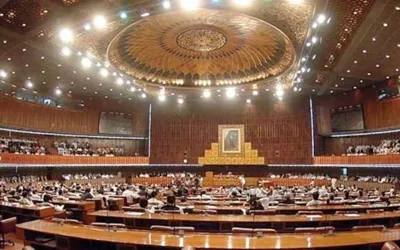
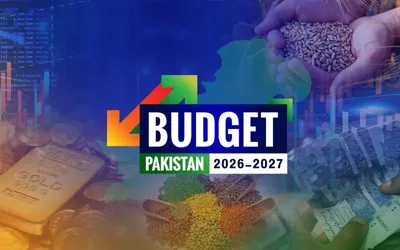
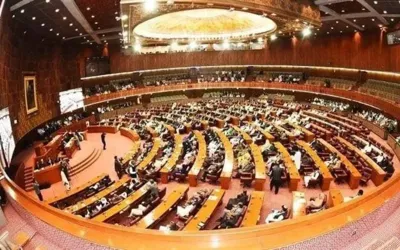
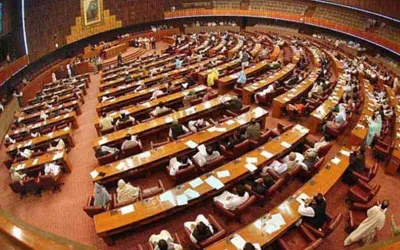
On June 12, Federal Finance Minister Senator Aurangzeb is presenting the third federal budget of the current government in the National Assembly.
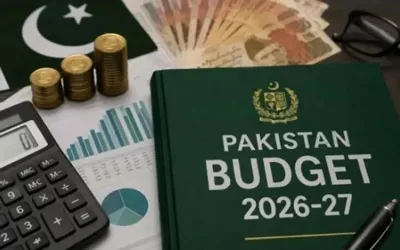
The federal budget remains the country’s most important financial document, setting out projected revenues, expenditures, and policy priorities for the upcoming fiscal year.
A major shift in Pakistan’s budgetary tradition came after the 1990s, when economic pressures and widening fiscal deficits led to the introduction of the “mini-budget” culture, allowing governments to revise financial plans mid-year to address revenue gaps and expenditure adjustments.
Pakistan’s budgetary record spans multiple political administrations:
- Ayub Khan era: 10 budgets
- Yahya Khan era: 3 budgets
- General Zia-ul-Haq era: 11 budgets
- General Pervez Musharraf era: 8 budgets
Collectively, budgets have been presented by 21 different federal finance ministers, along with several technocrats and interim financial administrators who stepped in during specific political or economic transitions.
Notably, two budgets were presented by economic advisors, including:
- M.M. Ahmad, who presented the 1971 federal budget
- Miftah Ismail, who presented the 2018 budget
In addition, three federal ministers of state for finance have also presented budgets, marking a rare but significant administrative role in Pakistan’s fiscal history:
- Umar Ayub, who presented budgets from 2005 to 2007 (three times)
- Hina Rabbani Khar, who presented the 2009 budget and remains the only female minister to do so in Pakistan’s history
- Hamad Azhar, who presented budgets in 2019 and 2020 as Minister of State for Revenue
Pakistan’s budget history also includes several extraordinary and institutional milestones.
In 1969, Vice Admiral S.M. Ahsan presented the federal budget, reflecting an exceptional instance of military administrative involvement in financial governance.
Later, in 1978, Chief Martial Law Administrator and then Army Chief General Zia-ul-Haq personally presented the federal budget. This budget is historically significant as it marked the first time in Pakistan’s history that the federal budget was presented in the national language, Urdu, introducing a linguistic shift in official financial documentation.
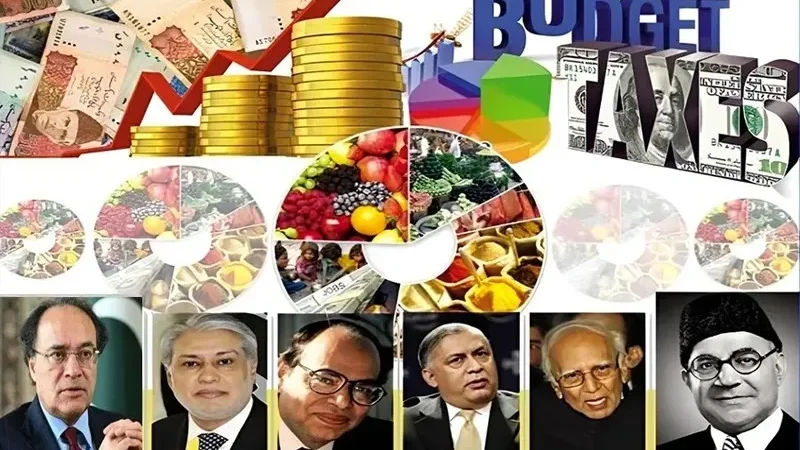
Long list of key finance ministers in Pakistan’s history
Since independence, Pakistan’s federal budgets have been shaped by several influential finance ministers who played recurring roles in national economic policymaking:
- Ghulam Muhammad presented four consecutive budgets from 28 February 1948 to 1951 before becoming Pakistan’s third Governor General.
- Chaudhry Muhammad Ali followed with four consecutive budgets and later became Prime Minister.
- Siddiq Amjad Ali presented budgets for three years.
- Muhammad Shoaib holds a significant record, presenting budgets for seven consecutive years.
- Abdul Qadir presented one budget.
- N.M. Qizilbash presented one budget.
- Dr. Mubashir Hasan presented three budgets.
- Muhammad Hanif presented two budgets.
- Abdul Hafeez Pirzada presented one budget.
- Ghulam Ishaq Khan presented six budgets and later became President of Pakistan.
- Dr. Mahbub ul Haq presented two budgets.
- Muhammad Yasin Khan Watoo presented two budgets.
- Ahsan-ul-Haq Pracha presented two budgets.
- Sartaj Aziz presented five budgets.
- Ishaq Dar presented seven budgets.
- Shaukat Aziz presented five budgets before later becoming Prime Minister.
- Naveed Qamar presented one budget.
- Abdul Hafeez Sheikh presented three budgets.
- Miftah Ismail and Shaukat Tarin each presented one budget.
This long list underscores the recurring reliance on experienced policymakers and technocrats across different political eras to manage Pakistan’s complex fiscal structure.
Pakistan’s fiscal history is also marked by notable political transitions, where finance leadership has often led to higher constitutional roles.
Ghulam Muhammad, the country’s first finance minister, went on to become the third Governor General of Pakistan, while Chaudhry Muhammad Ali and Shaukat Aziz later ascended to the office of Prime Minister, reflecting the strategic importance of economic leadership in national governance.
From early post-independence budgeting in 1948 to modern fiscal policymaking in 2025, Pakistan’s federal budget has remained a central instrument of governance.
Spanning 77 budgets across civilian and military administrations, the country’s financial history reflects not only economic evolution but also the shifting dynamics of political authority, institutional development, and policy experimentation.