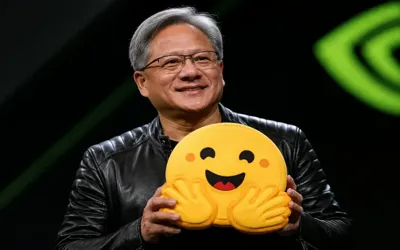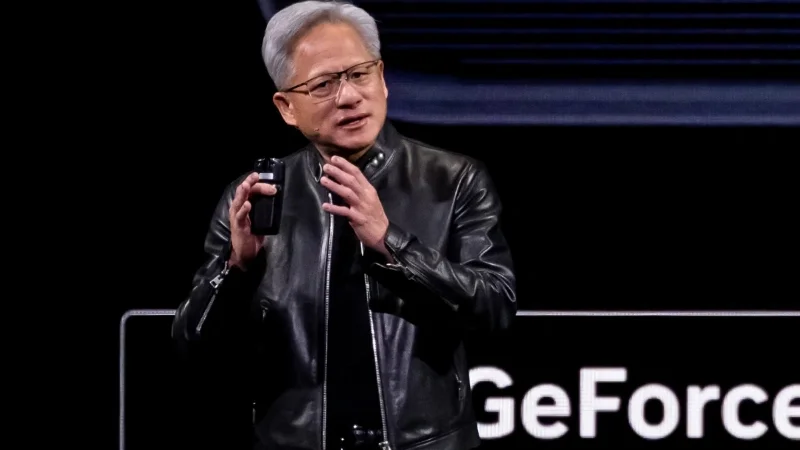
SAN FRANCISCO: Nvidia CEO Jensen Huang has rejected predictions that artificial intelligence could cause humanity’s extinction by 2030, calling such warnings “doomsday narratives” as concerns grow over the risks of increasingly powerful AI systems.
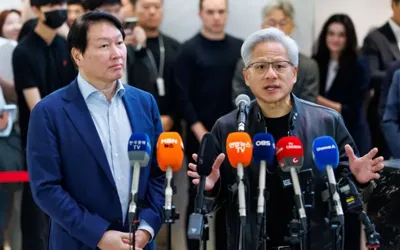
“2030 is not going to be the end of the world. There is 0% chance that’s going to be the end of the world,” Huang said in an interview with CBS News, calling efforts to frighten the public over AI “unnecessary” and “irresponsible.”
His remarks follow claims by former Anthropic researcher Jacob Coxon that some AI developers believe the technology could “kill us all by the end of the decade.” The comments have added to a wider debate over whether the development of advanced AI should be slowed.
Huang said predictions of human extinction from AI are “not grounded in science.” He also stressed that Nvidia has a strong interest in ensuring its technology is deployed safely.
“Our company’s success is directly connected to the safe deployment of products and services,” Huang said. “If we don’t continue to do that, our value would be diminished.”
Huang pushes back on AI doomsday fears
Huang also criticized companies and industry figures calling for a slowdown in AI development, suggesting some may be seeking protection from potential legal liability rather than additional regulation.
“Go and read between the lines,” Huang said. “They’re actually not asking for more laws. They’re asking to be relieved of the laws we do have, and I think that that’s a problem.”
As one of the world’s leading suppliers of advanced chips used to develop and operate AI systems, Nvidia has a major stake in the technology’s continued growth and safe deployment.
AI safety debate heats up
AI safety has also emerged in broader discussions between Washington and Beijing.
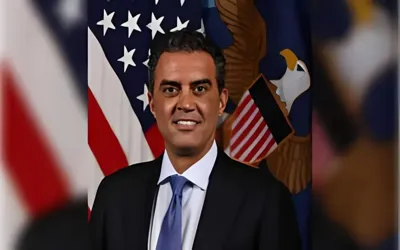
U.S. Treasury Secretary Scott Bessent and Chinese Vice Premier He Lifeng met in New York on Sunday for talks that included AI, tariffs and critical minerals. Bessent said the two sides discussed establishing an AI safety notification mechanism.
The discussions come as Nvidia’s most advanced chips face restrictions in China under measures imposed by both countries. U.S. export controls seek to limit China’s access to advanced technology, while Chinese policies encourage greater reliance on domestically produced technology.
President Donald Trump and Chinese President Xi Jinping are also expected to meet in Washington later this week.
AI risks enter U.S.-China talks
Huang’s comments come amid growing warnings from technology leaders and policymakers about the potential consequences of increasingly advanced AI.
At a recent technology summit hosted by Britain’s King Charles III, the king warned about what he called the “existential dangers” of AI and urged the industry to ensure the technology serves humanity.
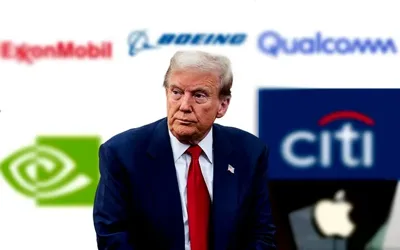
Trump has also pushed back against calls to slow AI development. During a Sept. 14 phone call with Huang, who was speaking at a technology conference in Los Angeles, Trump dismissed concerns about AI risks as a “hoax.”
The contrasting views highlight an ongoing debate over the pace of AI development, the need for safeguards and how governments and technology companies should address potential risks.