ISLAMABAD: Pakistan is scrambling to secure alternative liquefied natural gas (LNG) shipments instead of RLNG and prepare for possible gas restrictions as disruptions to international supplies threaten electricity generation and raise concerns about winter shortages, government officials said.
The shortage could force K-Electric to introduce temporary load management during evening and nighttime peak hours if supplies remain constrained. The utility said daytime electricity supply was expected to remain largely stable and that it was coordinating with Pakistan LNG Limited and relevant authorities to restore normal supplies as soon as possible.
K-E is in close coordination with PLL and relevant authorities and making all efforts for early normalization. We sincerely apologize for the inconvenience, Imran Rana said in his X post.
The warning comes as Qatar Energy's suspension of LNG deliveries, extended through Nov. 5, has pushed Pakistan to explore alternative suppliers, including the United States, other Middle Eastern countries and Azerbaijan.
The government is also preparing measures to manage domestic gas demand during winter, when household consumption typically increases.
Pakistan's immediate challenge is to secure enough imported gas to support power plants, industries, fertilizer production and households without exposing the country to sharply higher international prices.
A delayed re-gasified LNG (RLNG) cargo previously contributed to a generation shortfall of about 3,600 megawatts during peak hours, according to a reports on August 2026.
The government apologized to consumers after electricity providers introduced nighttime load management lasting 1.5 to three hours. A 195-megawatt decline in generation from Mangla Dam added to the shortfall, while furnace oil-fired power plants were brought back into operation to help meet demand.
K-Electric's latest warning points to continued pressure on power supplies if international fuel disruptions persist. However, the utility has described load management as a last resort, to be considered only if necessary during peak hours.
The Petroleum Division has directed state-owned Pakistan LNG Limited (PLL) to explore alternative shipments. One option under consideration is SOCAR, Azerbaijan's state-owned energy company, which supplied two LNG cargoes to Pakistan in 2023 and 2024 under an agreement signed in July 2023.
The government has set a threshold of $27 per million British thermal units (MMBtu) for spot LNG purchases, according to a Petroleum Division official quoted by Arab News. Spot cargoes are purchased on the international market for near-term delivery rather than under long-term supply contracts.
A senior government official said prices could reach about $29 per MMBtu, making emergency purchases more expensive. Officials are also using diplomatic channels with Qatar, Iran and the United States to facilitate the passage of LNG shipments through the Strait of Hormuz under Pakistan's long-term supply agreements.
The waterway, located between Iran and Oman, is a major route for global energy shipments. Disruptions to shipping can delay deliveries, increase transportation and insurance costs, and make it more difficult to secure fuel.
One Petroleum Division official said Pakistan hoped to import eight to 10 LNG cargoes if conditions allowed, although the final number would depend on shipping access and other logistical challenges.
The government is preparing a gas management plan to address the expected increase in household demand during winter.
A Petroleum Division official told that authorities were considering load management and supply curtailments if available gas could not meet demand. The government has not specified which sectors could face restrictions or how much supply might be reduced.
Prime Minister Shehbaz Sharif has directed authorities to prepare a comprehensive gas management plan and take advance measures to protect supplies, according to a statement from his office.
The government has said domestic consumers will receive priority for locally produced gas, while RLNG will be prioritized for power generation and industry.
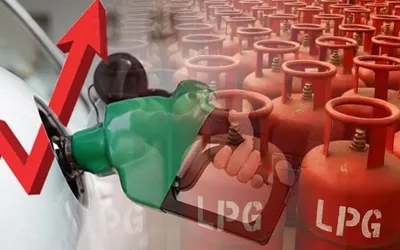
RLNG is natural gas that has been cooled into liquid form for transportation by ship and converted back into gas after delivery. Pakistan imports it to supplement declining domestic gas production.
The Petroleum Ministry has submitted a proposal to the Economic Coordination Committee (ECC) to allow private companies to use available capacity at the country's two LNG import terminals.
Under the proposal, companies could bid for access to unused terminal capacity for specified periods. The Oil and Gas Regulatory Authority (OGRA) would determine the permitted access and duration.
The arrangement could give private companies another route to import LNG and use existing infrastructure. However, officials have cautioned that it may not significantly increase overall supplies because private buyers would face the same international market conditions as government-owned PLL.
Pakistan remains heavily dependent on Qatar for LNG under long-term supply agreements. Official data cited in the report showed that the country imported 36 LNG cargoes last winter, including 35 from Qatar.