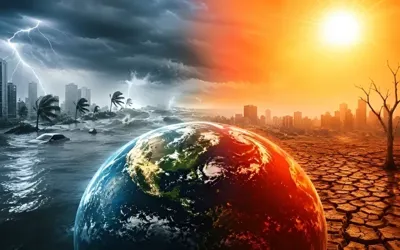
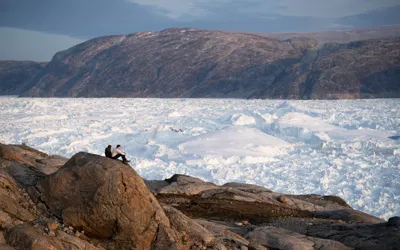
The world has just recorded its second-hottest May since modern records began, as a combination of human-driven climate change and the developing El Niño weather pattern pushed global land and sea surface temperatures to unusually high levels, according to the European Union’s Copernicus Climate Change Service (C3S).
C3S reported that the hottest May on record remains 2024, with historical temperature data extending back to 1940. The latest figures underline a continuing warming trend, driven largely by rising greenhouse gas emissions and natural climate variability.
In May, the global average temperature reached 1.42°C above pre-industrial levels, based on 19th-century benchmarks used by climate scientists to measure long-term warming. This level places the planet firmly within a pattern of sustained and escalating heat anomalies.
Europe was among the most affected regions, experiencing one of the most severe early-season heatwaves ever recorded.
Scientists at C3S noted that such extreme conditions are consistent with projections that Europe the fastest-warming continent on Earth will face increasingly frequent and intense heat events as climate change accelerates.
At the same time, parts of the Pacific Ocean registered exceptionally high sea surface temperatures, signalling a clear transition towards El Niño conditions. These warming ocean patterns are closely monitored due to their wide-ranging impact on global weather systems.
The month was also marked by severe and destructive weather events, including fatal flooding incidents in both China and Turkey, further highlighting the growing volatility of global climate systems.
Meteorological agencies caution that the El Niño pattern is expected to fully develop in the coming months, with the potential to significantly influence global weather extremes.
Historically, El Niño events tend to amplify global temperatures and disrupt normal rainfall patterns, often leading to severe droughts in some regions and excessive rainfall in others.
El Niño is a naturally occurring climate phenomenon that typically emerges every two to seven years, when weakening trade winds allow warmer surface waters to spread across the eastern Pacific Ocean.
This shift not only contributes to temporary spikes in global temperatures but also intensifies weather instability across continents.
Overall, scientists emphasize that the latest climate indicators reflect a concerning overlap of long-term global warming and short-term natural climate cycles, both of which are now combining to produce more frequent and more severe weather extremes worldwide.