BANGKOK: Finance officials from around the world are gathering in Thailand this week for the annual meetings of the International Monetary Fund and World Bank, facing a widening Middle East war, a historic energy supply shock and rising interest rates that threaten already slow global growth.
The U.S.-Israeli-led war with Iran, now in its eighth month, and the inflation and hardship it has caused are expected to dominate the agenda. The meetings are being held outside Washington for the first time in three years.
U.S. Treasury Secretary Scott Bessent will not attend. A U.S. official said he sent two senior officials in his place while he handles "domestic engagements." Bessent is also skipping a meeting of the Group of 20 major economies, which the U.S. leads this year. His absence could frustrate counterparts amid tensions over the Iran war, Ukraine's fight against Russia's invasion and the U.S. decision to impose sanctions on the International Criminal Court.
World Bank President Ajay Banga said global growth has held up better than feared since Iran closed the Strait of Hormuz, which cut off about 20 percent of the world's oil. But he told Reuters that pressures are building again as diesel prices soar, fertilizer costs rise and a looming "super" El Niño weather pattern approaches. Experts say it could cause 450,000 heat-related deaths.
The Bank is not lowering its global forecasts for now, Banga said, but is watching closely.
"The real thing is not just El Niño by itself; it's the combination," he said. "What's happening to fertilizer prices? What's happening to energy costs? What's happening to debt? It's that put together that creates its own challenges."
IMF Managing Director Kristalina Georgieva struck a similar tone in her pre-meeting speech, saying, "Winter is coming."
The fund has signaled little change to its forecast of 3 percent global growth in 2026 and may raise its 2027 projection slightly. Some countries will see downgrades, including Ukraine and Gulf nations hit by Iranian strikes and sharply lower energy exports.
Emergency oil releases
Group of Seven nations have agreed to release 100 million barrels of diesel and crude from emergency reserves under pressure from President Donald Trump, who wants lower gasoline prices before November elections in which his Republican Party could lose control of Congress.
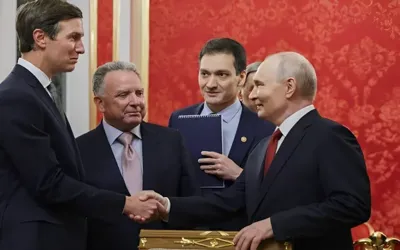
On Friday, Trump announced a deal with Russia to supply more diesel to global markets, along with a temporary waiver of U.S. sanctions meant to cut Moscow's revenue for its war in Ukraine. Ukrainian President Volodymyr Zelenskyy quickly criticized the move.
More than 1 billion barrels of oil have been released, mostly from onshore commercial stocks, since the war began Feb. 28. Industry executives say the oil in storage that the global market can still reach is running low, leaving the market more fragile and putting upward pressure on prices.
Debt concerns
IMF research released Tuesday found that sharp spikes in food and energy prices are an increasingly common cause of crises that keep inflation expectations high, worsen poverty and threaten economic stability.
Public debt is a major concern. The IMF says it is at its highest level since World War II and will top 100 percent of gross domestic product before 2030. Advanced economies, led by the U.S., carry the highest debt-to-GDP ratios. Emerging and low-income countries are especially vulnerable because of capital flowing out in search of higher U.S. rates, El Niño and a lack of AI investment, which has helped rich countries soften supply shocks.
Developing countries will have to renegotiate their debts at higher interest rates, and interest payments already exceed 10 percent of revenue on average. Early in the COVID-19 crisis, G20 leaders suspended debt payments for the poorest nations. Diplomats from G20 countries said there is little appetite for that now, citing high debt levels and political pressures.
Many lower-income countries also worry about new IMF guidance that calls for fewer but deeper reforms as a condition for loans, which some fear will mean painful austerity.
"Countries are already cutting their expenditures because their debt payments are going high and because of the IMF conditionality," said Iolanda Fresnillo, who works on debt justice for the advocacy group Eurodad. "We fear that this review of conditionality policy is just going to make things worse."
Fresnillo said Kenya avoided a debt restructuring by cutting spending and trying to raise taxes, but the changes set off significant protests, especially among young people. She said the IMF risks losing credibility if it does not acknowledge how severe the crisis is for many developing countries.
Security concerns
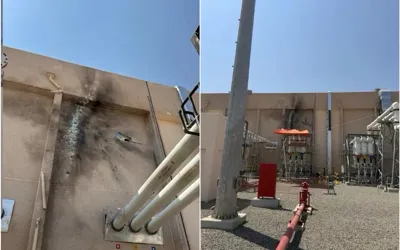
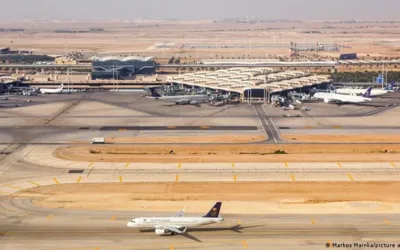
More than 10,000 people are traveling to Bangkok, a city of about 9 million, and many flight routes pass through the Middle East. That poses security challenges following recent attacks on Saudi airports.
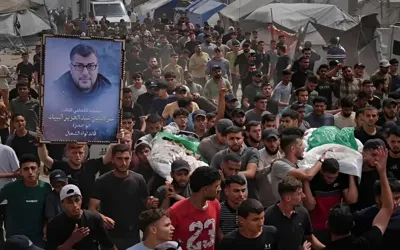
The last off-site IMF and World Bank meetings were held in Morocco just days after Hamas-led militants killed 1,200 people in Israel. Israel's subsequent bombardment of Gaza has killed more than 74,000 people.
Josh Lipsky, vice president of international economics at the Atlantic Council, said finance officials at the time dismissed the attack as a noneconomic issue. He said the link between national security and finance is now clear.
"What we're currently experiencing with Iran and the closure of the Strait of Hormuz has a direct connection with what happened three years ago," Lipsky said. Policymakers, he added, "have to recognize that they don't live in the world they used to."