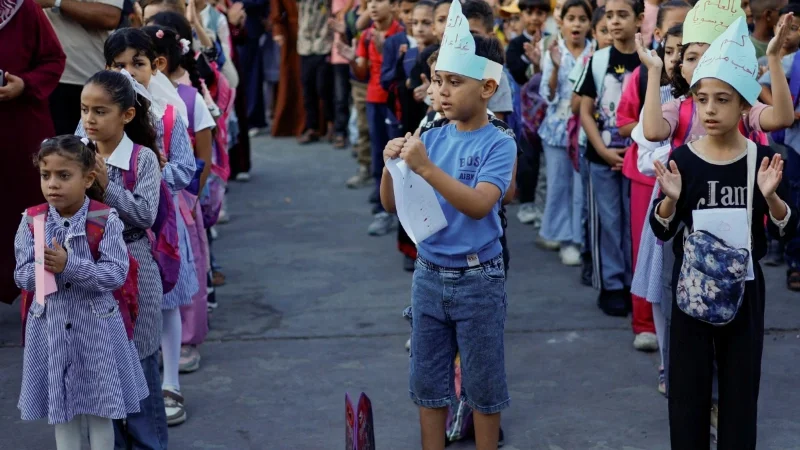
GAZA CITY: For Gaza’s children, the return to school after nearly three years came with both hope and heartbreak, as hundreds of thousands resumed classes in tents and war-damaged buildings.
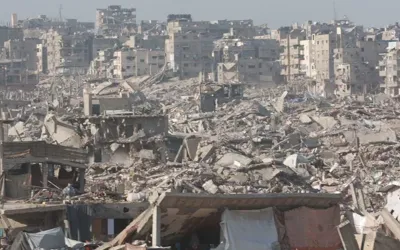
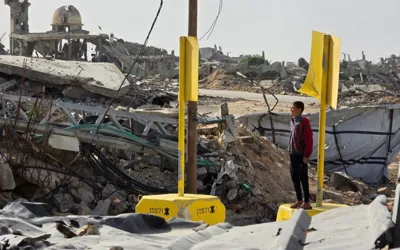
About 660,000 students have missed regular classroom learning, while 98% of Gaza’s schools have been damaged or destroyed, according to UNICEF and local education officials.
Classes resume in makeshift schools
The 2026-27 academic year is being held through temporary schools, learning centers and educational points established by the Palestinian Ministry of Education with support from humanitarian organizations.
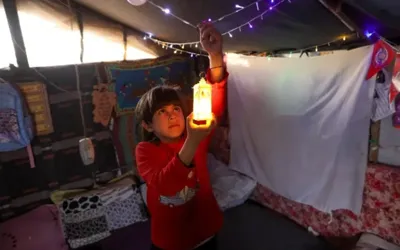
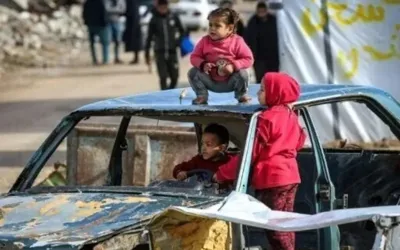
Many students are attending classes in tents and structures made from tarpaulins, sheet metal and wood. Some facilities have only basic equipment, while others continue to shelter displaced families.
Education officials expect at least 540,000 students to attend in-person classes this year. Online learning will continue for children who cannot attend because of displacement or other restrictions.
Three years of disrupted education
The return to classrooms follows nearly three years of interrupted schooling. UNICEF said earlier this year that about 700,000 school-age children had missed formal in-person education for almost three consecutive years.
The conflict has also caused heavy losses among students and education workers. Ibrahim Ramadan, director of education for East Khan Younis, said about 22,000 students and more than 770 education workers, including 532 teachers, have been killed.
For many students, returning to school has brought painful memories alongside the joy of seeing teachers and classmates again.
“The last time I have been to school was three years ago. Now, we are starting the school year; it is a year of joy, happiness and success,” student Moayed Abu Mustafa said in Khan Younis.
Students return without basic supplies
Many families cannot afford uniforms, notebooks, pens and other school essentials after years of displacement and economic hardship.
Fifteen-year-old Samar Abu Salmi, who lives with her family in a tent, said students had relied on phones for learning and had been separated from their teachers during the conflict.
“Now, we are back pursuing our dream,” she said.
Stationery seller Khaled Aliyan said school supply prices have risen sharply, with a notebook that previously cost 3 shekels now selling for 15 shekels.
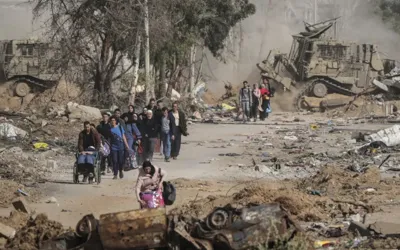
Students and teachers are returning to classrooms with limited infrastructure and continued security concerns.
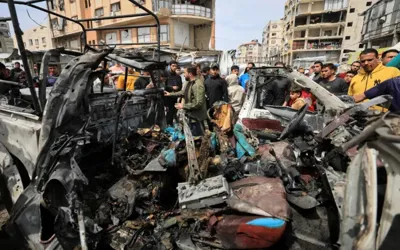
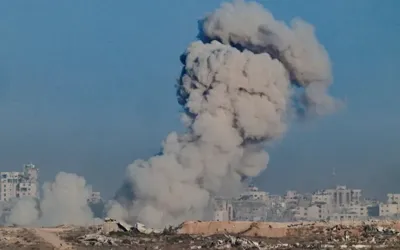
Fourteen-year-old Yamen Abu Samra said students once looked forward to school but now worry about bullets, rockets and strikes.
Despite the difficult conditions, education officials and humanitarian organizations are continuing temporary and online learning programs to keep children connected to education.
The reopening gives hundreds of thousands of children a chance to return to classroom learning, but widespread school damage, shortages and displacement continue to pose major challenges for Gaza’s education system.