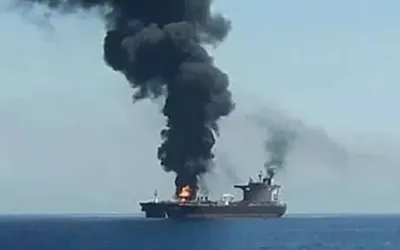
DOHA: Rising tensions in the Gulf are threatening diplomatic efforts to end the Middle East war, prompting Qatar and Oman to intensify talks with Iran on Tuesday, Nov. 17, as attacks on military bases and commercial ships raise concerns about regional security and international trade.
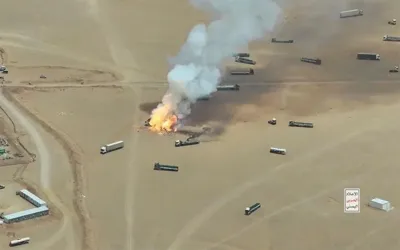
Qatar, a key mediator between Iran and the United States, called for restraint after an Iranian attack on a U.S. military base in Bahrain. The Qatari government warned that further escalation could seriously damage efforts to reach an agreement and end the conflict.
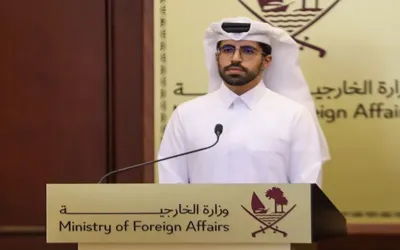
"We call on all parties to exercise restraint during this period and to avoid any escalation that could undermine negotiation efforts," Foreign Ministry spokesman Majed Al-Ansari said during a news briefing in Doha.
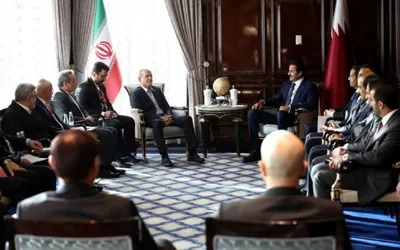
Al-Ansari confirmed that Qatari officials would meet with Iranian representatives to discuss current proposals and explore ways to reduce differences between the parties. He said the meeting was part of Qatar's ongoing diplomatic efforts to bring the sides closer to an agreement.
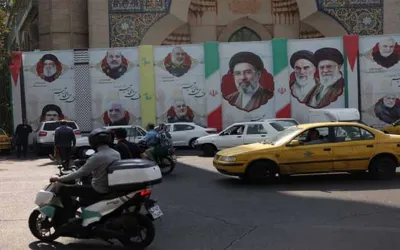
Meanwhile, Iranian Foreign Minister Abbas Araghchi met with Oman's Foreign Minister Badr Albusaidi in Muscat to discuss diplomatic solutions for reducing regional tensions and restoring negotiations, according to the Oman News Agency.
The discussions focused on expanding areas of agreement, preventing the conflict from spreading and protecting major maritime routes.
Oman's Foreign Ministry said both sides emphasized the need to maintain safe shipping corridors to ensure the uninterrupted movement of international trade.
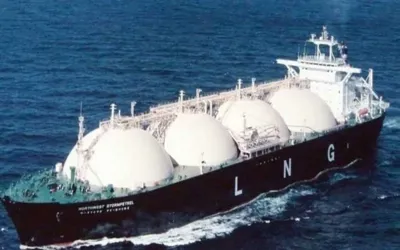
The diplomatic efforts come as tensions continue to rise around the Strait of Hormuz, a major shipping route for global oil and gas supplies.
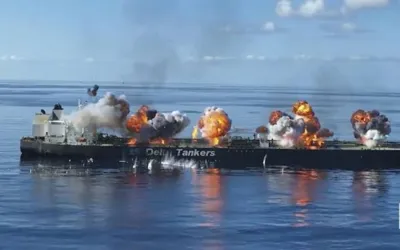
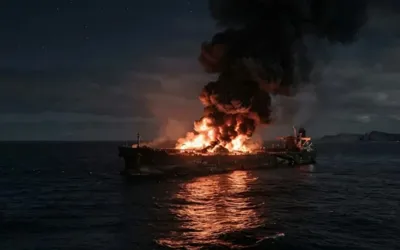
Iran has restricted shipping through the waterway and carried out repeated attacks on vessels since the conflict began with U.S. and Israeli strikes on Feb. 28.
The disruption has raised concerns about the security of international shipping and energy supplies. It has also contributed to rising oil prices, increasing pressure on fuel costs and economies worldwide.
With Qatar and Oman stepping up diplomatic efforts, regional leaders face growing pressure to prevent further escalation and keep negotiations alive as tensions threaten one of the world's most important trade routes.