Tuesday, November 17, 2026
Watch Live
UPDATED
FUEL PRICE
17-NOV-2026
PETROL
▼ -2.00 PKR
Rs. 328.00/ltr
DIESEL
▼ -2.00 PKR
Rs. 358.00/ltr
Headlines
Petrol, diesel prices cut by Rs2 per litre Ricotta dumplings with sage butter bring comfort food to busy weeknights Ukraine's biggest drone attack sends shockwaves across 16 Russian regions Lebanese singer Elissa sparks buzz among Arab gamers over GTA 6 soundtrack rumor Ishaq Dar, Araghchi agree to strengthen Pakistan-Iran ties at ECO meeting Met office issues yellow snow warning for northern Britain Female artists dominate 2027 Grammy nominations Saudi model Roz marries Serbian model Nikola and leaves fans swooning Aurangzeb calls for increased bank financing for SMEs, agriculture Kai Trump praises mom Vanessa's boyfriend Tiger Woods in rare relationship revelation Memory loss or normal forgetfulness? Know the difference Brazil reports first mpox death of 2026 as cases surpass 1,000 GAK HealthCare honors leading experts to strengthen medical education and research Fire kills 11, injures 30 in Thailand’s tourist town of Patong Education minister stresses industrial skills to boost Pakistan's exports Rs1500 prize bond draw results announced in Hyderabad Brazilian legend Ronaldinho makes football comeback at 46 KP gold mining-terrorism nexus exposed after slain militant identified as Afghan national Imran Khan cites brain hemorrhage, heart attack risks in letter to chief justices US consortium proposes $4.4 billion LNG project in Pakistan Petrol, diesel prices cut by Rs2 per litre Ricotta dumplings with sage butter bring comfort food to busy weeknights Ukraine's biggest drone attack sends shockwaves across 16 Russian regions Lebanese singer Elissa sparks buzz among Arab gamers over GTA 6 soundtrack rumor Ishaq Dar, Araghchi agree to strengthen Pakistan-Iran ties at ECO meeting Met office issues yellow snow warning for northern Britain Female artists dominate 2027 Grammy nominations Saudi model Roz marries Serbian model Nikola and leaves fans swooning Aurangzeb calls for increased bank financing for SMEs, agriculture Kai Trump praises mom Vanessa's boyfriend Tiger Woods in rare relationship revelation Memory loss or normal forgetfulness? Know the difference Brazil reports first mpox death of 2026 as cases surpass 1,000 GAK HealthCare honors leading experts to strengthen medical education and research Fire kills 11, injures 30 in Thailand’s tourist town of Patong Education minister stresses industrial skills to boost Pakistan's exports Rs1500 prize bond draw results announced in Hyderabad Brazilian legend Ronaldinho makes football comeback at 46 KP gold mining-terrorism nexus exposed after slain militant identified as Afghan national Imran Khan cites brain hemorrhage, heart attack risks in letter to chief justices US consortium proposes $4.4 billion LNG project in Pakistan

WSJ flags structural weaknesses in Modi-era economic reforms

India failed to undertake bold and comprehensive economic reforms.

The Wall Street Journal (WSJ) has delivered a strong critique of India’s economic performance, describing the Modi government’s reforms as weak, inconsistent, and lacking a clear free-market vision.

According to the WSJ, India failed to undertake bold and comprehensive economic reforms, a shortcoming that became evident after the United States imposed a 50 percent tariff in August 2025—the highest tariff rate ever levied on any major economy.

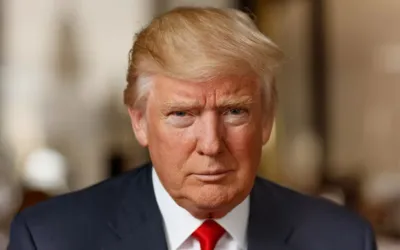
Economic experts cited by the newspaper said that India’s reforms were not courageous enough to withstand the impact of former US President Donald Trump’s 50 percent tariffs, which exposed the vulnerabilities of India’s highly regulated economy.

The WSJ noted that the Modi government has been slow to fix problems of its own making, with economic reforms under Modi remaining fragile, delayed, and uneven.

Reforms following the banking crisis were introduced late, while the poor implementation of the Goods and Services Tax (GST) was termed one of the government’s major failures.

Despite being presented as a landmark reform, India’s GST system remains more complex than global value-added tax models, the paper said. It added that the government avoided meaningful labor reforms, while non-tariff barriers fueled US frustration.

The opening of foreign direct investment (FDI) in the insurance and nuclear sectors came far too late, according to the WSJ.

Similarly, repeated claims of reform in the power sector failed to materialize, with state-owned electricity companies still facing severe financial distress.

The newspaper observed that the government has relied on piecemeal measures instead of bold reforms, while criticism was consistently ignored before the crisis. Changes within the bureaucracy were described as cosmetic and superficial.

The WSJ further highlighted that agricultural reforms were rolled back under political pressure, while high tariffs and protectionist policies continued to undermine competitiveness.

Long-delayed reforms related to land, labor, and subsidies remained unresolved, and loss-making state-owned enterprises could not be privatized.

Concluding its analysis, the Wall Street Journal said India has relied on symbolic reforms and now requires a comprehensive economic overhaul to restore confidence and competitiveness.
Recommended