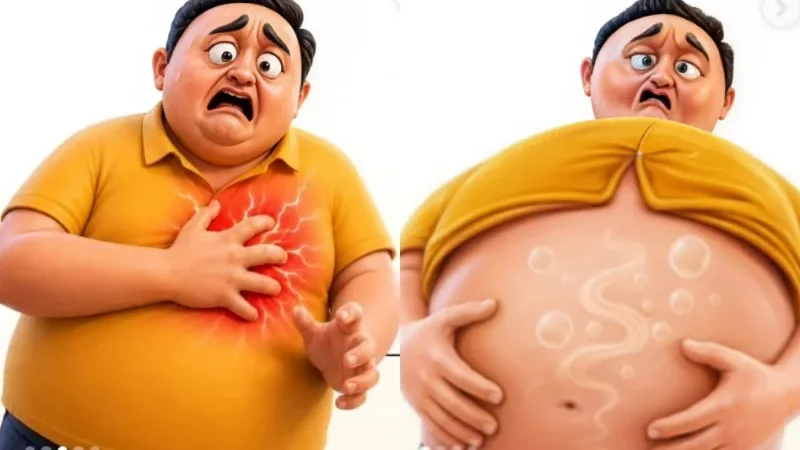
KARACHI: Think it’s just gas? Chest burning, pressure or heaviness can sometimes be linked to a heart problem, making it important to recognize the warning signs.
Why symptoms can be confusing
The heart and upper digestive system are located close to each other, so pain signals can sometimes feel similar. Heart-related discomfort does not always cause severe or sharp pain. It may instead feel like pressure, tightness, heaviness or burning in the chest.
Gas or acid reflux may become worse after eating or when lying down. Belching, bloating, a sour taste in the mouth and stomach discomfort can also occur. However, these symptoms alone cannot confirm that chest discomfort is caused by a digestive problem.
Signs that need urgent attention
Chest pain or pressure that lasts for several minutes, keeps returning or begins during physical activity such as walking, climbing stairs or exercising should be taken seriously.
Pain that spreads to the arm, shoulder, back, neck or jaw can also be a warning sign. Other symptoms that may accompany a heart-related emergency include shortness of breath, sudden cold sweating, nausea, dizziness, unusual weakness or anxiety.
Symptoms can sometimes be less typical in women, older adults and people with diabetes, making it especially important to pay attention to new or unexplained discomfort.
Relief from medicine does not confirm the cause
A common misconception is that chest pain must be caused by gas if it improves after taking an antacid or other digestive medicine. Temporary relief alone does not establish the cause of the pain, particularly if symptoms return or occur alongside breathing difficulties, sweating or pain that spreads to other parts of the body.
There is no reliable home test that can determine whether chest pain is caused by gas or a heart condition. Doctors may use a physical examination, an electrocardiogram and other tests when evaluating unexplained chest discomfort.
Who should take extra care
People with diabetes, high blood pressure, obesity, a history of smoking or known heart disease should be particularly cautious about new or unusual chest symptoms. A family history of heart disease at a young age can also increase cardiovascular risk.
Anyone who develops sudden or severe chest pain or pressure, persistent discomfort, pain spreading to the arm, back, neck or jaw, or symptoms such as difficulty breathing, cold sweating, dizziness or severe weakness should seek immediate medical attention rather than trying to diagnose the problem at home.
Recognizing potentially serious symptoms early can be critical because some heart conditions require prompt treatment.