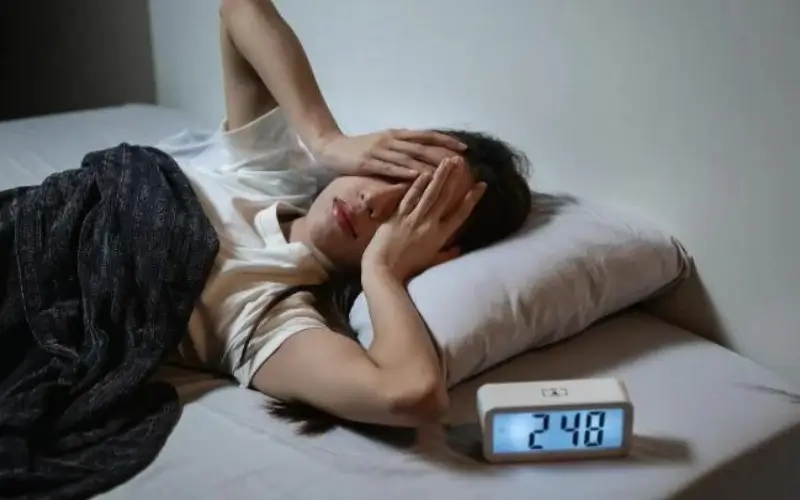
Iron deficiency is a common health problem, but many people only associate it with fatigue or weakness. However, the body can show several unusual signs when iron levels become too low. Recognizing these strange symptoms early can help prevent more serious health issues.
1. Craving Non-Food Items (Pica)
One unusual sign of iron deficiency is a strong urge to eat or chew non-food items such as ice, chalk, clay, or paper. This condition is known as pica. Many people with low iron levels report constantly chewing ice without realizing that it may be linked to a lack of iron in the body.
2. Restless Legs
Another strange symptom is restless legs syndrome. People with this condition feel an uncomfortable urge to move their legs, especially at night when they are trying to relax or sleep. This sensation can make it difficult to rest properly and is sometimes associated with low iron levels.
3. Hair Loss
Iron deficiency can also lead to excessive hair loss. While losing some hair every day is normal, low iron levels may weaken hair follicles and reduce healthy hair growth. As a result, hair may become thinner and fall out more frequently than usual.
Read more: Cold or hot water: Which is healthier to drink
4. Cracks at the Corners of the Mouth
Some individuals with iron deficiency develop painful cracks or sores at the corners of their mouth. This condition, known as angular cheilitis, can cause redness, dryness, and irritation around the lips. It happens because the body lacks the nutrients needed to keep skin and tissues healthy.
5. Pale or Smooth Tongue
A pale, swollen, or unusually smooth tongue can also be a sign of iron deficiency. The tongue may lose its normal texture and appear glossy or inflamed. Some people may also experience tenderness or a burning sensation in the mouth.
Read more: Here’s how stress causes hair loss
Recognizing these uncommon symptoms can help people detect iron deficiency early. If these signs appear along with fatigue, dizziness, or shortness of breath, it is important to consult a healthcare professional for proper diagnosis and treatment.