That innocent late-night snack could carry hidden risks for your liver, as new research has linked eating after dinner to a higher risk of fatty liver disease and cirrhosis.
The findings, based on nearly 200,000 people across three studies, suggest that meal timing may play an important role in liver health, beyond the types of food people consume.
Published in the journal Clinical Gastroenterology and Hepatology, the research found that people who ate after dinner had a 20% to 30% higher risk of liver disease than those who avoided late-night eating.
Dr. Robert Wilechansky of Oregon Health and Science University (OHSU), the study's lead author, said the liver is closely connected to the body's circadian rhythm, which regulates biological functions over a 24-hour cycle.
"We know the liver is very much in tune with the body's circadian rhythms," Wilechansky said.
He explained that researchers wanted to determine whether changing meal times could improve health without altering the nutritional content of food.
According to researchers, eating late at night may interfere with the body's natural metabolic processes as its internal clock prepares it for sleep.
Dr. Andrew McHill, a sleep and circadian physiologist at OHSU, emphasized that the timing of daily activities, including eating, sleeping and exercising, can influence overall health.
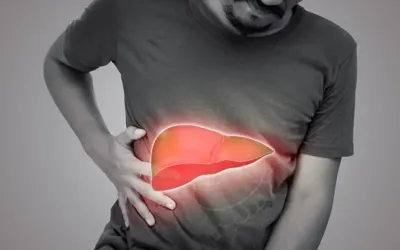
Although not everyone with fatty liver disease develops severe complications, some patients may eventually develop cirrhosis, a condition characterized by extensive liver scarring and damage. Symptoms can include persistent fatigue, weakness, loss of appetite, jaundice, itchy skin and nausea.
How to avoid late-night eating?
Researchers suggest limiting daily food consumption to an eight- to twelve -hour window during the daytime to better align eating habits with the body's natural biological clock.
Wilechansky also recommended finishing meals several hours before bedtime.
Other ways to reduce nighttime snacking include adding vegetables and protein-rich foods to meals, drinking enough water throughout the day and eating slowly.
People who tend to snack out of boredom can replace the habit with activities such as walking, reading or journaling.
The findings highlight the potential importance of meal timing in maintaining liver health, although further research is needed to establish whether late-night eating directly contributes to liver disease.