ISLAMABAD: Pakistan's federal cabinet has warned that the country faces a mounting energy crisis as Gulf transit routes remain effectively closed and fuel prices spiral, though officials insisted the situation could have been far worse without government planning.
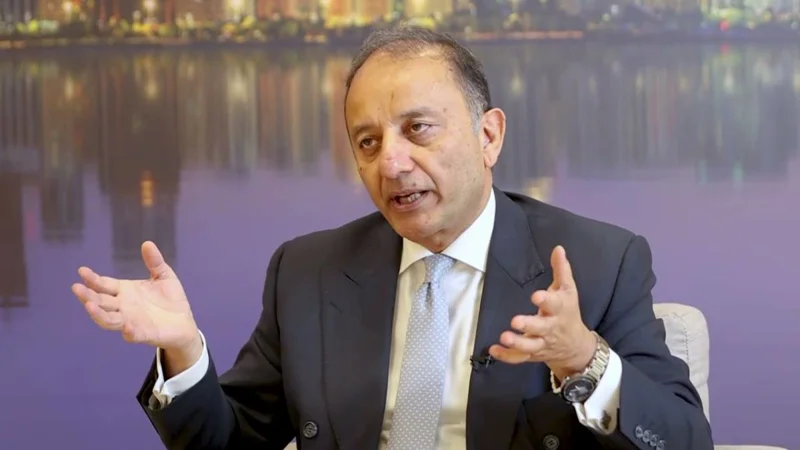
Energy Minister Sardar Awais Ahmad Khan Leghari and Climate Change Minister Musadik Malik briefed the cabinet on how disruptions in the Strait of Hormuz and Bab El-Mandeb could have exacerbated existing shortages, saying skyrocketing international oil prices were testing the government's ability to absorb the shock. International crude oil prices have once again crossed $100 per barrel.
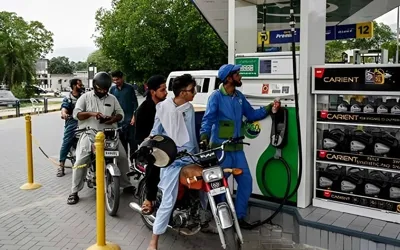
The National Steering Committee on Fuel Subsidy, chaired by Deputy Prime Minister Ishaq Dar, ordered that payments to fuel stations under the prime minister's relief scheme be processed within 24 hours and directed provinces to complete district-level outreach to ensure relief reaches intended beneficiaries. The committee reviewed the nationwide rollout of the Prime Minister's Fuel Relief Scheme, which was to be extended countrywide from midnight Wednesday after a successful pilot in the capital.
Under the scheme, motorcyclists receive five liters of subsidized petrol weekly, while car owners are entitled to 10 liters every 10 days. Malik said the petroleum levy stands at Rs80 per liter and the carbon levy at Rs5, totaling Rs85, while the relief announced is Rs100 per liter.
He acknowledged the relief is insufficient to fully offset high fuel prices but said it represents the most the national economy can currently absorb. He cited delivery riders, a woman who drives a Qingqi rickshaw, and a factory worker who shares an 800cc car with his wife as examples of beneficiaries who could receive up to Rs2,000 to Rs3,000 monthly in fuel relief.
In a separate statement, Leghari said that despite fuel shortages, Pakistan kept its power plants running through maximum use of domestic resources. In August 2026, 72 percent of total electricity generation came from domestic sources, including hydel at 38 percent, local coal at 11 percent, nuclear at 10 percent, local gas at 7 percent, wind at 6 percent and solar at 1 percent, while only 28 percent came from imported coal and re-gasified liquefied natural gas, he said.
Leghari said disruptions in the RLNG supply chain pushed spot cargo prices to $23.25 per MMBtu, exceptionally high. Steps taken on the prime minister's directives to arrange additional domestic gas for the power sector avoided the purchase of expensive RLNG, he said. Without domestic gas, the power sector would have faced an additional hour of load shedding, and generation through furnace oil or imported RLNG would have increased consumer tariffs by about RS10.6 billion.
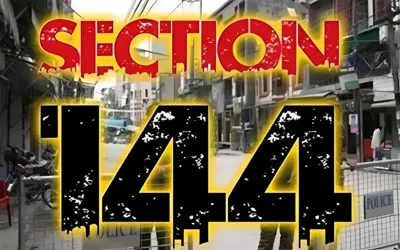
Fuel prices continued to climb, with petrol and diesel rising by Rs4 and Rs6 respectively Tuesday night. The steep increases over three days, combined with Information Minister Atta Tarar's hint that austerity measures may be reintroduced, sparked speculation about possible lockdown-style measures.
Malik and cabinet colleague Dr. Tariq Fazal Chaudhry dismissed the reports. Malik insisted no discussions about "smart lockdowns" had taken place, and Chaudhry flatly refuted the speculation. The government imposed a similar smart lockdown in April with provincial governments when the U.S.-Iran war began, during which shops and markets closed at 8 p.m.
Sources close to Prime Minister Shahbaz Sharif told Dawn that the premier met his elder brother Nawaz Sharif at the Murree hill resort on Tuesday, with the possibility of imposing smart lockdown measures on the agenda. There was no official word on the meeting from the Prime Minister's Office or the Pakistan Muslim League-Nawaz.