LAHORE: The Punjab Safe Cities Authority said it identified 1,220 environmental violations over three days during an anti-smog crackdown using artificial intelligence-enabled cameras and drones.
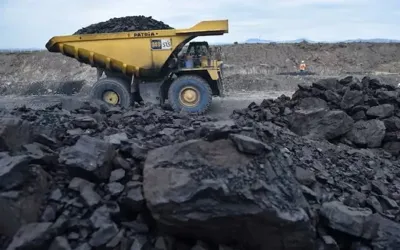
Safe City virtual patrols flagged 551 vehicles carrying construction materials without tarpaulins, the authority said. Officials fined 343 drivers and issued warnings to 140 others.
Authorities also identified 489 smoke-emitting vehicles, issuing citations to 365 and warnings to 70. Another 152 electronic citations were issued for smoke-emitting vehicles.
The surveillance recorded 85 violations involving barbecue smoke and chimneys. Three locations were cleared and 65 warnings were issued. Officials reported 76 cases of smoke emissions from kilns; two kilns were sealed, two first information reports were registered, and fines and warnings were issued.
Thirteen industrial pollution cases were identified, with fines at six locations and warnings at six others.
Safe City cameras and drones also monitored crop residue and waste burning, the authority said.
The violations were identified from Sept. 10 to 12 and reported to relevant agencies for immediate action, a Safe City spokesperson said. Smart Safe City centers across Punjab are operating advanced surveillance systems to protect the environment, the spokesperson said.
Residents can report smog-causing activities by calling 15 or using the Connect to PSCA feature in the public safety app, the spokesperson said.
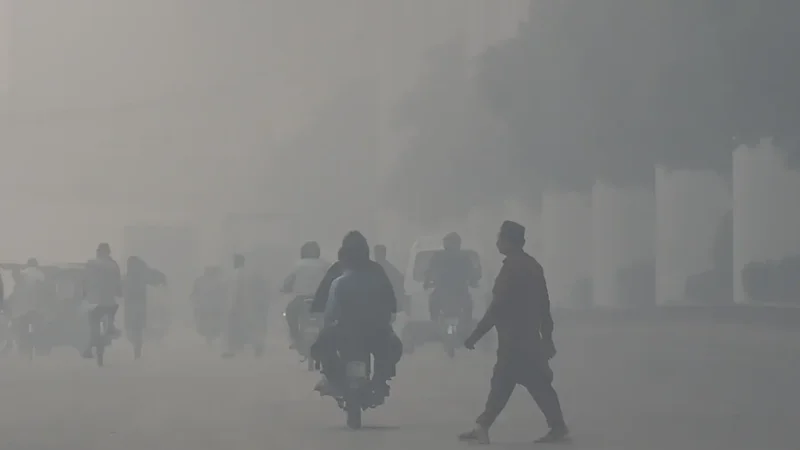
The Punjab government has launched a "pre-smog crackdown" on waste burning and vehicle emissions to preempt severe air pollution that engulfs parts of the province, especially Lahore, from October to January each year.
The government ordered a clampdown on major sources of air pollution, including construction dust, dry sweeping, crop-residue burning, brick kilns, waste burning and vehicle emissions.
The Punjab Environment Protection Agency directed relevant departments, civic authorities and development agencies to tighten implementation of pollution-control measures and ensure routine activities do not add to particulate pollution.
The latest directions indicate a shift toward controlling pollution sources before the onset of the peak smog season, rather than swinging into action after air quality deteriorates.
EPA Director General Abdullah Nayyar Sheikh directed the Suthra Punjab Authority to discontinue dry sweeping and adopt mechanical or wet sweeping across the province.
The agency said dry sweeping re-suspends settled road dust into the atmosphere, contributing to higher concentrations of PM10 and PM2.5, particularly along major roads and high-traffic corridors.
The EPA also called for a ban on open burning of solid waste, including roadside waste, leaves and garbage. It asked the sanitation authority to identify and regularly monitor dust and waste-burning hotspots, particularly during the peak smog period from October to January.
Open burning of solid waste is prohibited under the Punjab Environmental Protection (Smog Prevention and Control) Rules, 2023, the agency said, calling for closer supervision of sanitation staff and contractors to ensure compliance.
The regulator also directed departments concerned and development authorities to strictly implement dust-control protocols at under-construction roads and buildings.
The Housing, Urban Development and Public Health Engineering Department, Local Government and Community Development Department, Communication and Works Department, commissioners, deputy commissioners and major development authorities have been asked to ensure executing agencies and contractors comply with the prescribed measures.
The EPA said field inspections in Lahore found dust-control measures were not being adequately implemented at several ongoing development projects despite detailed standard operating procedures issued in 2025.
The measures include regular water sprinkling at construction sites, covering vehicles transporting construction material and installing dust-containment barriers.
The agency proposed making compliance with dust-control SOPs an integral part of the terms and conditions for project approval and execution, effectively making environmental compliance a mandatory requirement for development projects.
Meanwhile, Chief Minister Maryam Nawaz directed the administration to further strengthen the anti-smog strategy adopted last year and ensure preemptive action against all major sources of pollution.
She ordered authorities to ensure disposal of crop residue through modern machinery and prevent its burning. Measures have also been directed against burning plastic and the use of plastic-based products that pose risks to human health.
Monitoring of brick kilns has been intensified, with action against kilns operating without zigzag technology accelerated. Restaurants and barbecue outlets emitting smoke have also been brought under enhanced inspection.
The administration has further intensified inspection of heavy and light vehicles entering Lahore, particularly for excessive smoke emissions. Continuous monitoring of motorcycle emissions has also been ordered, with action against vehicles found contributing to pollution.
The use of Safe City cameras, thermal imaging and AI-based systems for monitoring pollution-related violations has also been enhanced, officials said.
The chief minister urged people to cooperate with the administration during the three-month smog season to make the anti-smog drive successful.