ISLAMABAD: Pakistan’s competition regulator and anti-corruption agency have agreed to expand institutional cooperation in capacity building, professional development and the exchange of expertise, the two bodies said Wednesday.
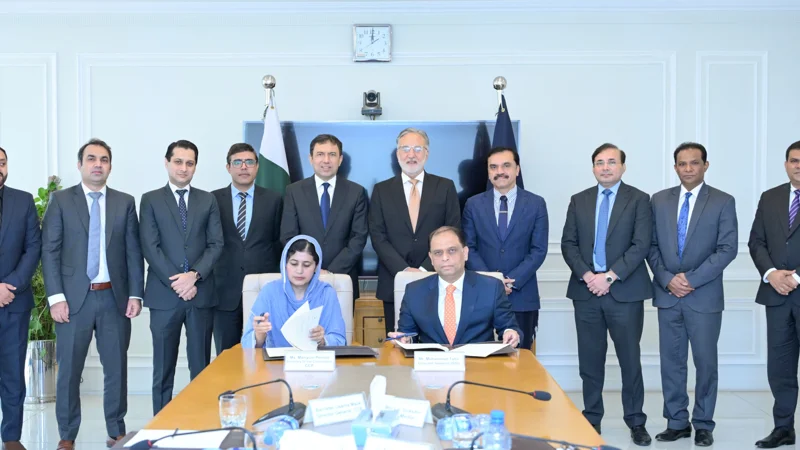
The Competition Commission of Pakistan (CCP) and the National Accountability Bureau (NAB) signed an addendum to their memorandum of understanding at NAB headquarters in Islamabad, according to a joint statement. The ceremony was attended by CCP Chairman Farid Ahmad Tarar and NAB Chairman Lt. Gen. (R) Nazir Ahmed, along with senior officers from both institutions.
The original MoU, signed in May 2025, established a framework for cooperation on bid rigging, collusive tendering, information sharing and technical cooperation. The addendum broadens that framework to include training and capacity building.
Under the agreement, the two agencies will work through the Pakistan Anti-Corruption Academy on joint training programs, workshops, seminars, conferences and awareness sessions covering competition law, anti-corruption, procurement integrity and economic governance.
The cooperation also calls for the exchange of subject-matter experts, investigators, economists, prosecutors, researchers and other resource personnel. Officers from both institutions are expected to gain professional exposure and knowledge-sharing opportunities aimed at strengthening investigative, analytical and enforcement capabilities.
Nazir, the NAB chairman, stressed the importance of capacity building and inter-agency cooperation in improving institutional effectiveness. He said structured collaboration through PACA would provide a platform for developing specialized skills and promoting awareness of transparency, integrity and sound governance practices.
Tarar, the CCP chairman, said competition enforcement and anti-corruption frameworks intersect in key areas, particularly public procurement, where collusive practices can undermine competitive outcomes, raise costs and weaken the efficient use of public resources. He said expanded cooperation would allow both institutions to draw on their respective expertise and build stronger professional capabilities.
The two institutions said they resolved to further strengthen cooperation through the exchange of information and expertise, particularly in addressing cartelization and anti-competitive practices, and to work within their mandates to promote economic efficiency, fair business practices and consumer protection.