As technology advances at an unprecedented pace, 2026 is set to be a year of transformative innovations that will shape industries, business strategies, and everyday life. From powerful artificial intelligence systems to immersive augmented reality, these trends represent the future of tech evolution.
AI Supercomputing and Agentic Platforms
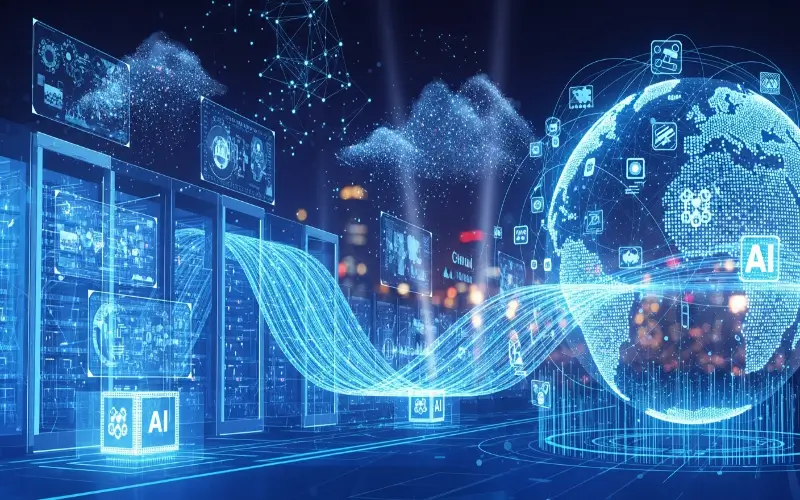
One of the most significant trends in 2026 is the rise of AI Supercomputing and Agentic Platforms. AI is moving beyond simple tools to powerful platforms that can perform complex tasks, make autonomous decisions, and coordinate workflows across multiple systems. AI agents are expected to become mainstream, serving as persistent digital assistants that handle research, scheduling, customer support, and even coding without constant human oversight. Such systems will redefine workplace productivity and business operations.
Physical AI and Robotics
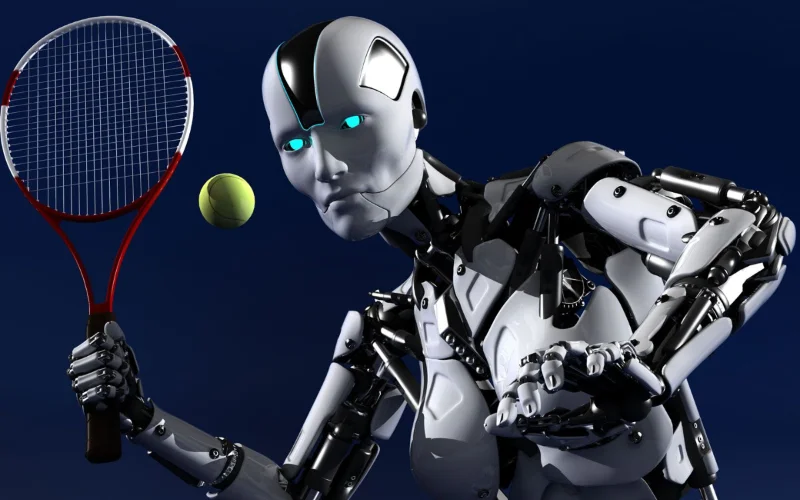
Physical AI and Robotics is another major trend. This technology applies artificial intelligence to machines that interact with the physical world, such as robots and autonomous systems. Companies are investing heavily in robotics that can sense, decide, and act in real time, making robots more practical for manufacturing, logistics, and even consumer tasks.
Read more: AI in Healthcare: Benefits, Risks, and Challenges
Quantum Computing
Quantum Computing continues its transition from theory to practical use, with hybrid quantum-classical systems enabling breakthroughs in areas like drug discovery, materials science, and complex simulations. While full-scale quantum dominance remains a future goal, 2026 will see meaningful commercial applications emerge.
Augmented Reality (AR) and Extended Reality (XR)
Augmented Reality (AR) and Extended Reality (XR) are becoming more integrated into daily tech experiences. Lightweight AR wearables and spatial computing are expected to go mainstream, offering real-world overlays of useful information whether for navigation, training, or interactive communication.
Edge AI and Connectivity Advances
Finally, Edge AI and Connectivity Advances are transforming devices and networks by enabling real-time processing locally without relying on the cloud. Faster network technologies, more powerful edge chips, and expanded IoT ecosystems will make smart devices more responsive, private, and capable than ever.
Read more: How Artificial Intelligence is transforming everyday life
Overall, these trends reflect a world where intelligent systems, immersive interfaces, and seamless connectivity redefine how we live, work, and interact with technology.